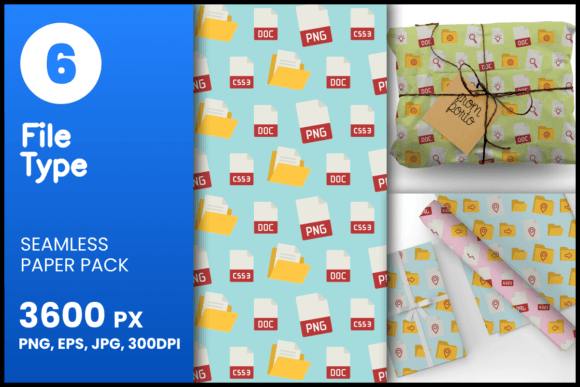
File Type Seamless Patterns: A Guide to Choosing the Right Format for Your Projects
Seamless patterns are a versatile design tool that can elevate any creative project. Whether you're crafting greeting cards, designing party invitations, or creating digital backgrounds for your blog, the right file type can make all the difference. File Type Seamless Patterns come in various formats, each with its own strengths and limitations. Understanding these differences helps you choose the best option for your needs.
What Are File Type Seamless Patterns?
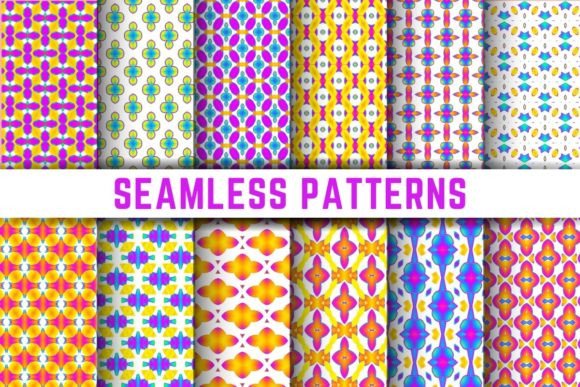
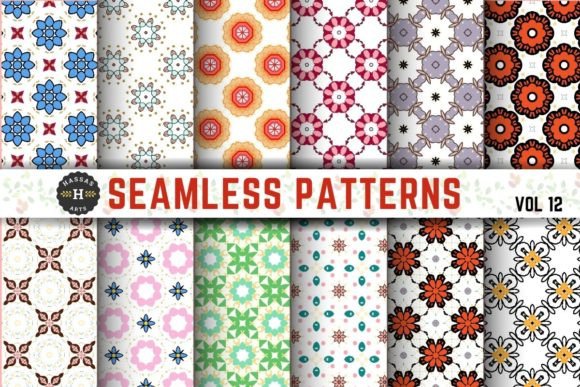
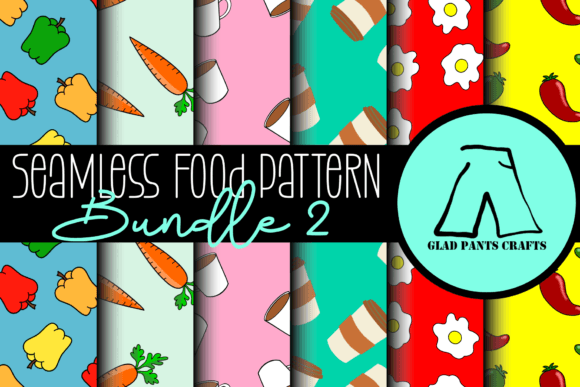
File Type Seamless Patterns are repeating design elements that seamlessly tile together without visible seams. They are commonly used in print and digital media to create cohesive, eye-catching visuals. These patterns can be applied to a wide range of projects, from wrapping paper and scrapbooking to web design and social media backgrounds.
The key to effective use lies in selecting the correct file format. Each format—JPG, PNG, and EPS—has unique characteristics that influence how the pattern performs in different applications. Let’s explore these formats and their ideal use cases.
Common Mistakes When Choosing File Type Seamless Patterns
One of the most common mistakes is choosing the wrong file type for the intended use. For example, using a JPG for high-quality print work may result in loss of detail and color accuracy. Similarly, relying on a PNG for large-scale digital backgrounds might lead to file size issues or compatibility problems.
Another mistake is not considering the resolution. File Type Seamless Patterns should be high-resolution to ensure clarity, especially when printed. Low-resolution files can appear pixelated or blurry, diminishing the overall quality of your project.
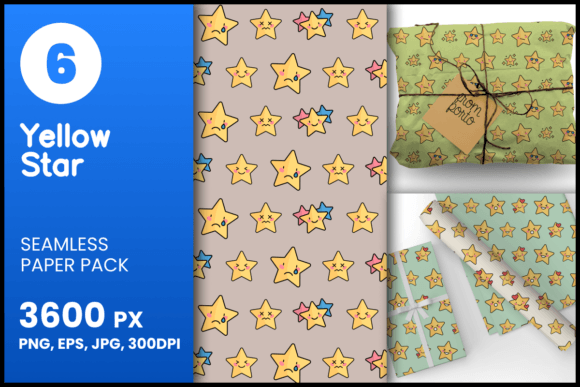
Many users also overlook the importance of file dimensions. A 3600 x 3600 pixel size is standard for most applications, but it's crucial to match this with the specific requirements of your project. Mismatched sizes can lead to scaling issues or distortion.
Why File Type Seamless Patterns Matter in Different Applications
When working on a birthday party invitation, the visual appeal of the design plays a significant role in capturing attention. Using a high-quality File Type Seamless Pattern ensures that the background remains consistent and professional-looking. The same applies to scrapbooking, where seamless patterns add texture and depth to layouts.
In digital spaces like blogs or social media, seamless patterns serve as an excellent backdrop. However, the file type you choose affects how the pattern renders on different platforms. For instance, EPS files are vector-based and maintain quality at any scale, making them ideal for web use where responsiveness is key.
For printing purposes, such as wrapping paper or greeting cards, the choice between JPG and PNG becomes more nuanced. JPGs are great for photographs and complex images, while PNGs offer transparency and are better suited for logos or text overlays.
Practical Tips for Selecting the Right File Type
Before downloading File Type Seamless Patterns, consider the following:
- Intended Use: Will the pattern be used for print, web, or both? This determines which file types are most appropriate.
- Resolution: Ensure the pattern is at least 300 DPI for print and optimized for screen display if used digitally.
- Dimensions: Confirm that the file size matches your project's requirements to avoid scaling issues.
- Format Compatibility: Check that the software you’re using supports the chosen file type.
For example, if you're designing a greeting card, a PNG file with transparency allows for easy layering of text and graphics. On the other hand, if you're creating a website background, an EPS file offers scalability without loss of quality.
How to Avoid Common Pitfalls
One way to avoid pitfalls is to always preview the pattern in different contexts. Test how it looks on both screen and print to ensure consistency. Another strategy is to purchase multiple file types when possible. Having access to JPG, PNG, and EPS versions gives you flexibility depending on the project's needs.
Additionally, consider the source of your File Type Seamless Patterns. Reputable stores often provide detailed information about file specifications, ensuring you receive what you need. Always read reviews and check for updates before making a purchase.
Choosing the Best File Type for Your Project
Here’s a quick guide to help you decide:
- JPG: Ideal for photographic elements and complex designs. Not suitable for transparent backgrounds.
- PNG: Offers transparency and is great for logos, text, and layered designs.
- EPS: Vector-based, scalable, and perfect for digital backgrounds and web use.
By understanding these differences, you can confidently select the right file type for your project and achieve professional results.
If you're looking for a variety of File Type Seamless Patterns, consider exploring stores that offer multiple file types and high-resolution options. With over 500 patterns available, you're sure to find something that fits your creative vision. Follow the store for updates and new releases to stay ahead in your design journey.